
Wild Neighbors Welcome: Upcycling for Living Landscapes
Join us as we explore creating wildlife‑friendly features from upcycled materials, transforming jars, pallets, cans, tiles, and forgotten odds into feeders, shelters, and water stations that invite birds, pollinators, amphibians, and small mammals while reducing waste, saving money, and celebrating community creativity. Share your experiments, ask questions, and help this living guide grow with every observation.
Start with Safe, Nature-Positive Materials
Successful projects begin with careful material choices that protect wildlife and soil health. Avoid pressure‑treated lumber containing older CCA chemicals, creosote‑soaked timbers, peeling lead paint, and brittle plastics that shed microfragments. Prefer unfinished hardwood, untreated softwood, food‑grade containers, natural fibers, stainless hardware, and nontoxic finishes like raw linseed oil or milk paint to ensure durability without invisible harm.
Know What to Skip
Steer clear of railway sleepers treated with creosote, plywood with unknown glues, cracked vinyl, and synthetic twines that can entangle birds or hedgehogs. Old paint may hide lead; glossy coatings can off‑gas in heat. Reflective panes risk collisions, and crumbly foam litters habitats. When uncertain, do not guess—choose inert, simple, traceable materials instead.
Testing and Cleaning Basics
Scrub containers with hot water and biodegradable soap, rinse thoroughly, and sun‑dry to leverage UV sanitation. Use a vinegar solution for mild disinfection, remove labels and adhesives, and sand cut edges smooth. Smell for petroleum residues, avoid fragrant cleaners, and dedicate wildlife tools so crafting supplies never mix with household chemicals or paints.
Durability without Harm
Long‑lasting builds need weather‑resistant choices like cedar offcuts, salvaged clay roof tiles, and stainless or brass fasteners. Seal end‑grain with natural oils, add overhanging roofs for rain protection, and elevate wooden elements off soil. Skip solvent varnishes near water. When joints fail, design for easy repair, so parts are replaced rather than discarded.



Bottle Feeders That Truly Work
Pair a glass bottle with a scrap‑wood base, adding metal eyelets as perches and snug feeding ports. Fit a small roof from a broken shingle to shed rain, and include a removable stopper for cleaning. Hang near dense shrubs for quick cover, yet high enough to discourage cats, ensuring access without ambush risks.
Seed Choices that Support Natives
Offer black oil sunflower, nyjer for finches, and seasonally appropriate mixes free from fillers like milo that often go uneaten. Avoid bread entirely. In winter, supplement with suet protected by a simple upcycled baffle. Prioritize locally appropriate foods that mirror regional diets, helping resident and migratory species maintain energy without encouraging dependency.



Water: The Small Pond with a Big Impact
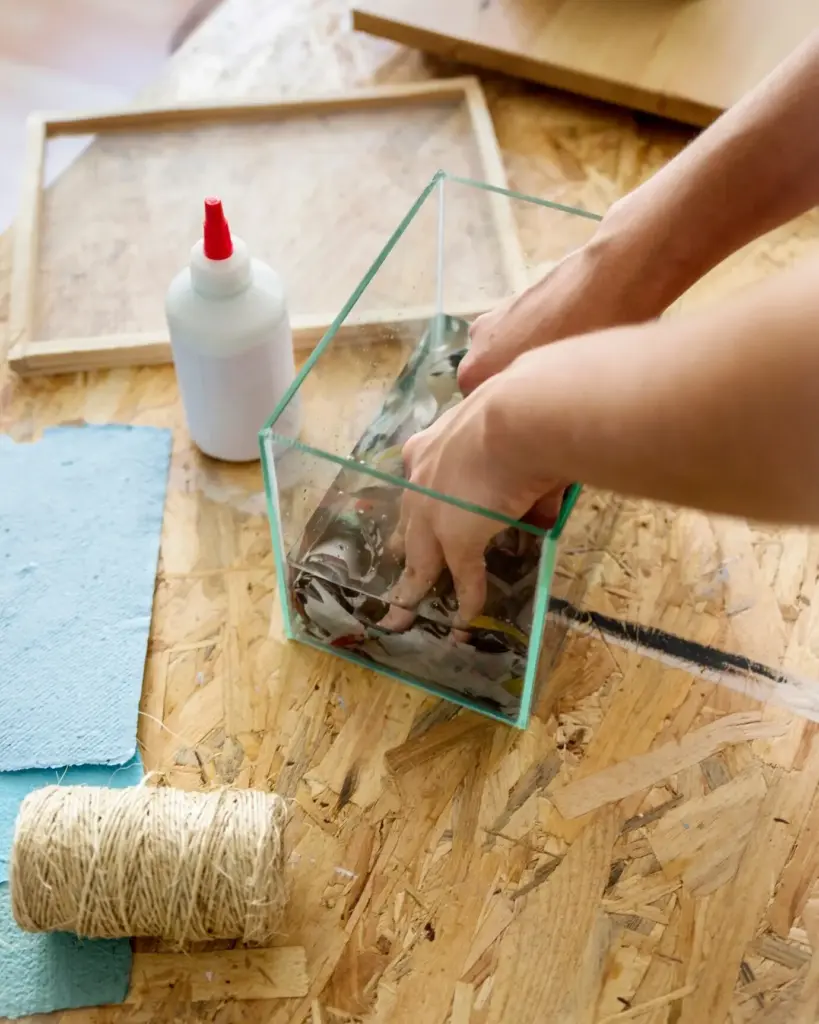
A shallow, gently sloped water source can transform a yard overnight, inviting birds, bees, dragonflies, frogs, and small mammals. Upcycled basins become micro‑ponds with stones, ramps, and shade. Keep water fresh, edges roughened for traction, and depths varied. Skip fish, avoid chemicals, and let native plants filter while providing shelter and oxygen.
Hedgehog Highways from Retired Bricks
Where hedgehogs occur, cut a small fence opening roughly 13 by 13 centimeters and stabilize it with reclaimed bricks or edging stones. Label politely for neighbors, linking gardens into safe networks. Keep paths free of netting, place shallow water nearby, and avoid slug pellets that threaten insect prey and hedgehog health.
Toad and Lizard Nooks from Tiles
Stack broken terracotta pots and tiles into cool, shaded cavities on a bed of damp leaf litter. Angle a few pieces to create roofed chambers with gentle slopes. Leave small ground‑level entrances, avoid adhesives, and site near water or dense plantings. These micro‑habitats protect skin, regulate temperature, and offer ambush hunting perches.

Planting with Purpose and Reuse
Plants transform salvaged containers into living architecture. Choose native species suited to light and soil, then use cans, pallets, and gutters to create layered nectar and shelter. Ensure drainage, avoid heat buildup, and mulch thoughtfully. Group blooms through seasons for continuous forage, helping bees, butterflies, and hummingbirds fuel daily flights and reproduction.
Drill drainage holes, paint exteriors a light color to reflect heat, and insert a scrap‑cotton wick into a saucer reservoir. Line with perforated cardboard, add a stone mulch to reduce splash, and situate in dappled light. Plant drought‑tolerant natives first, then expand, observing which species attract pollinators most reliably across seasons.
Use pallets stamped HT, indicating heat‑treatment rather than chemical fumigation. Line cavities with reclaimed burlap or breathable landscaping fabric, staple securely, and angle slightly to improve drainage. Seal cut edges with natural oils, insert modular pots for easy swaps, and attach a roof scrap to shield rain, protecting roots and wooden fibers.

Community, Monitoring, and Seasonal Care
Wildlife thrives when people collaborate, observe, and adjust. Host building sessions, share salvaged materials, and invite local experts. Track visitors with notebooks or free apps, and tune features as seasons shift. Ask questions in the comments, subscribe for ideas, and celebrate each small success as your patch becomes a corridor for life.
Set a simple agenda: clean materials, pre‑drill parts, assemble feeders, and decorate roofs with tile shards. Offer tea, kid‑friendly jobs, and a salvage swap box. End with a short wildlife walk, agreeing on maintenance calendars and hygiene standards that keep everyone’s features safe, effective, and beautiful long after the paint dries.
Keep a pencil journal by the back door, noting species, time, and weather. Add a DIY tracking tunnel using a cardboard box, charcoal soot, and paper to capture footprints. Log sightings in community science platforms like eBird and iNaturalist, building local knowledge that guides planting choices, feeder schedules, and habitat improvements thoughtfully.
